
In Part 2 of our conversation with Dr. Cherie De Vore, lead researcher at the Níhí Lab, the spotlight expands to include two more of her students who are carving their own paths in engineering and environmental research. This episode is led by Dr. De Vore herself, as she guides a thoughtful discussion about education, identity, mentorship, and the future of their work. As host, I take more of a back seat, allowing the conversation to unfold naturally between mentor and students.
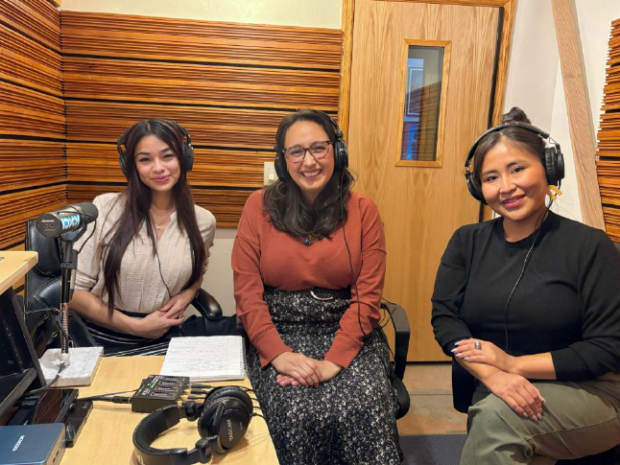

Melissa Jacquez (Diné)
First, we hear from graduate researcher pursuing a PhD in Environmental Engineering, Melissa Jacquez (Diné) with a minor in American Indian Studies, working under the guidance of Dr. De Vore. She reflects on her academic path, the motivations behind her research, and how integrating environmental engineering with Indigenous knowledge and perspectives informs her work and long-term vision.


Melissa (she/her) is a proud Queer Diné (Navajo) graduate researcher currently working on her PhD in Environmental Engineering and a minor in American Indian Studies under the guidance of Dr. De Vore, focusing on innovative techniques for emerging contaminants of concern. She achieved her B.S.E. in environmental engineering from Northern Arizona University and M.S. in Environmental Science from the University of Arizona. Although she grew up in the city, her time with her family in Dzil Na’oodilii, New Mexico, instilled a passion for her community and environment. She continues her education in hopes of working for a tribal college and increasing the representation of Natives in STEM careers.


Gwendolyn Flores (Yoeme)
We’re also joined by a junior Materials Science and Engineering undergraduate at the University of Arizona, Gwen Flores, who shares her journey into the field—from early curiosity about how materials shape our world to finding a research home in the Níhí Lab. They discuss the challenges and excitement of undergraduate research, the skills they’re building, and how their experiences are shaping their future goals.


Gwendolyn Flores is a Pascua Yaqui Tribal member and a junior Materials Science & Engineering undergraduate at the University of Arizona. She is the oldest of five siblings and a mother to her young son, Alex. Gwen transferred from Rio Salado Community College to the university in Fall 2023. Throughout her academic journey, she updated her major four times before finding her path in engineering. Her life started to change when she began earning scholarships which allowed her to leave her eight-year career at State Farm and become a full-time student. In the summer of 2025, Gwen participated in the Environmental Health Science Research for Indigenous Students Engagement (EHS-RISE) program. This initiative aims to increase Native American representation in the STEM workforce while supporting students’ cultural identity. The program pairs students with volunteer faculty mentors for full-time research experiences. Gwen sought a strong female role model in her field, someone who unapologetically embodies what it means to be a Native American woman in STEM. Within the Chemical & Environmental Engineering department, Cherie was the sole Indigenous female mentor. Cherie has played a pivotal role to Gwen’s success, mentoring and guiding her academic growth through an Indigenous lens while expanding her professional opportunities. Through Cherie’s support, Gwen was introduced to the Nihi Lab (“Our Lab”), where fungi are utilized for bioremediation research, as well as to American Indian Scientist & Engineering Society (AISES). Through AISES, Gwen was able to present research in Minneapolis, MN and won recognition in the undergraduate poster competition in 2025!
Dr. Cherie De Vore (Diné)

Together, the group explores mentorship, representation in STEM, the collaborative environment of the Níhí Lab, and what it means to pursue research that has both scientific and community impact. From undergraduate discovery to doctoral research, this conversation highlights the personal stories, educational journeys, and future ambitions shaping the next generation of scientists and engineers.
Tune in for an inspiring discussion about curiosity, culture, and the transformative power of research.